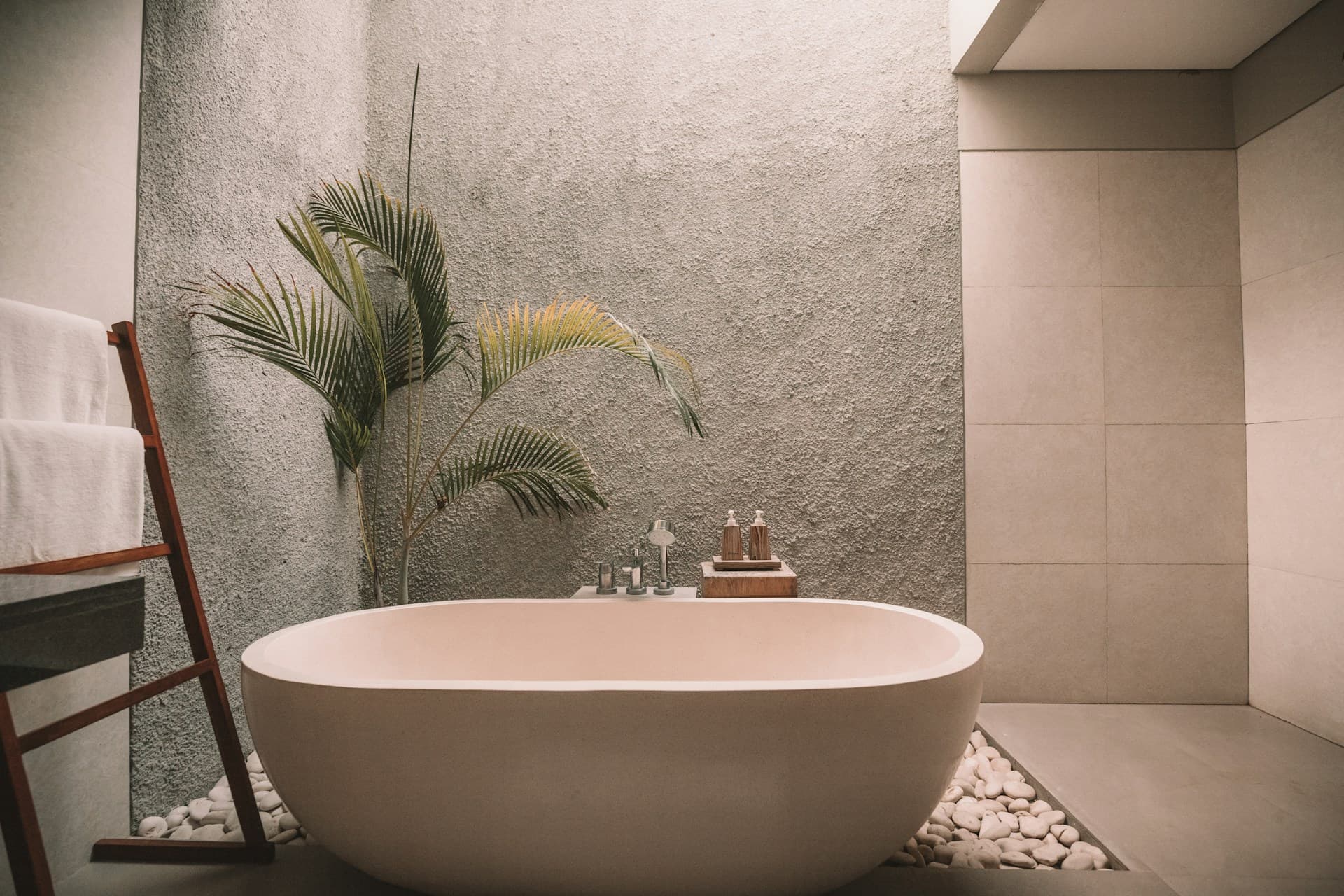
Selecting the Perfect Freestanding Bathtub: Design, Materials, and Installation Insights
By Total Care Bathrooms Thu Jan 22 20267 minutes

Why Choose a Freestanding Bathtub for Your Bathroom Remodel?
Freestanding bathtubs have surged in popularity as a centerpiece for modern bathroom renovations. They offer a sculptural focal point that elevates both style and comfort, transforming ordinary bathrooms into spa-like sanctuaries. Homeowners seeking a blend of luxury and versatility often find freestanding tubs appealing due to their adaptability to various layouts and aesthetics.“A well-chosen freestanding tub can redefine the bathing experience, combining form and function in a single elegant statement.”
Popular Freestanding Bathtub Designs and Their Unique Appeal
The market offers a wide array of freestanding tub silhouettes, each imparting a distinct ambiance. From classic clawfoot to minimalist slipper and bold oval forms, your choice can reflect personal taste while complementing your bathroom’s architectural features. Consider how each design influences both spatial perception and user comfort.- Clawfoot: Timeless elegance, vintage charm, and elevated cleaning access.
- Pedestal: Contemporary, streamlined base for a modern look.
- Slipper: Raised end for ergonomic lounging and neck support.
- Oval: Soft curves, ideal for organic and tranquil settings.
- Rectangular: Clean lines, suits minimalist or industrial spaces.
Material Matters: Comparing Freestanding Bathtub Options
Selecting the right material is crucial for durability, heat retention, and maintenance. Each material offers unique tactile qualities and practical benefits, influencing both the longevity and ambiance of your renovation investment.| Material | Pros | Cons |
| Acrylic | Lightweight, affordable, warm to touch | Prone to scratching, less durable |
| Cast Iron | Excellent heat retention, classic look | Very heavy, requires reinforced flooring |
| Stone Resin | Luxurious feel, retains heat well | High cost, can be heavy |
| Copper | Natural antimicrobial, striking appearance | Requires specialized cleaning, expensive |
| Solid Surface | Seamless look, customizable shapes | Higher price point, may stain |
Installation Considerations: Planning for Plumbing and Placement
Proper installation of a freestanding bathtub requires more than just aesthetic vision. Plumbing access, weight distribution, and floor reinforcement all play critical roles in a successful remodel. Early planning with a professional ensures your investment stands the test of time while maintaining optimal functionality.- Verify floor load capacity for heavy tubs, especially cast iron or stone.
- Ensure accessible plumbing lines for both water supply and drainage.
- Allow adequate clearance around the tub for cleaning and comfortable entry.
- Consider floor-mounted or wall-mounted faucets for a seamless look.
- Evaluate underfloor heating compatibility if desired.
“Consulting with an experienced installer early in the renovation process can prevent costly setbacks and ensure a flawless finish.”
Styling Tips: Integrating a Freestanding Tub into Your Bathroom Design
A freestanding bathtub should harmonize with your bathroom’s overall design narrative. Whether you’re drawn to a serene spa retreat or an urban-chic escape, accentuating your tub with complementary materials, lighting, and accessories can amplify its impact. Don’t overlook the importance of surrounding surfaces and sightlines.Cost vs. Value: Is a Freestanding Bathtub Worth the Investment?
While freestanding tubs are often seen as a luxury, they can add significant resale value and enjoyment to your home. Weighing upfront costs against long-term benefits—such as improved aesthetics, relaxation, and market appeal—can help you make an informed decision aligned with your renovation goals.| Aspect | Freestanding Tub | Built-in Tub |
| Initial Cost | Higher | Lower |
| Installation Complexity | Moderate to High | Low |
| Aesthetic Impact | High | Moderate |
| Resale Value | Potentially Increases | Standard |