The Science of Color: How Palette Choices Transform Bathroom Renovations
By Total Care Bathrooms Thu Feb 05 20267 minutes
Why Color Matters in Bathroom Renovation
Color is more than a finishing touch—it's a fundamental design element that influences mood, perceived space, and even daily routines. When renovating a bathroom, the chosen palette can make a compact room feel expansive, a sterile space feel inviting, or an outdated suite feel contemporary. Understanding the science of color empowers homeowners to create a bathroom that aligns with their vision and enhances their experience.“Color is the silent ambassador of a space, shaping perception and emotion before a single word is spoken.”
Understanding Color Psychology in Bathrooms
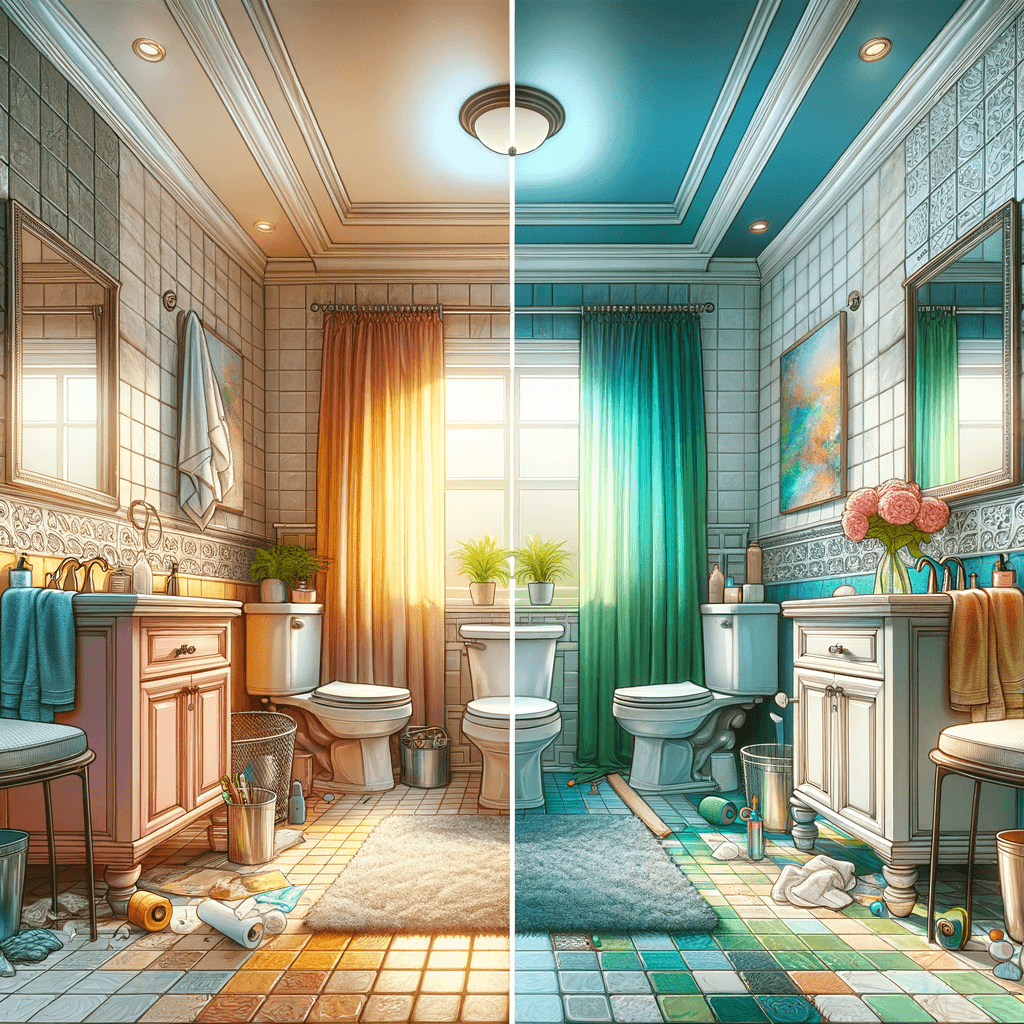
Different hues evoke distinct psychological responses. Cool tones like soft blues and greens foster tranquility, making them ideal for spa-inspired bathrooms, while warm tones such as terracotta or blush can add warmth and vibrancy. Neutral palettes, meanwhile, offer timelessness and versatility, allowing for easy updates through accessories or fixtures.- Cool colors (blues, greens): Promote calmness and relaxation.
- Warm colors (yellows, reds): Energize and invigorate the space.
- Neutrals (whites, greys, taupes): Create a sense of cleanliness and adaptability.
Palette Strategies for Different Bathroom Sizes
The size of your bathroom should directly inform your color choices. Light, reflective shades can visually expand small bathrooms, while deeper, saturated colors can add intimacy to larger, open spaces. Strategic use of color blocking or accent walls can also define functional zones within a bathroom, such as separating the vanity area from the shower.| Bathroom Size | Recommended Palette | Effect |
| Small | Soft pastels, light neutrals | Expands and brightens |
| Medium | Balanced tones, subtle contrasts | Adds dimension |
| Large | Bold or dark hues, accent colors | Creates intimacy and drama |
Harmonizing Color with Materials and Fixtures
A cohesive bathroom design requires more than just picking a paint color. Consider how your chosen palette interacts with tile, stone, cabinetry, and metal finishes. For example, cool-toned tiles pair well with brushed nickel or chrome, while warm palettes complement brass or copper fixtures. Harmonizing these elements ensures a unified, designer look that feels intentional and balanced.- Coordinate tile and wall color for seamless flow.
- Match metal finishes to undertones in your palette.
- Use natural materials (wood, stone) to soften bold colors.
“The interplay between color and material is where true design harmony is born.”
Current Trends and Timeless Choices
While trends can inspire, timeless palettes ensure your bathroom remains stylish for years. Earthy greens, serene blues, and matte black accents are trending, yet classic whites and soft greys never lose appeal. Consider the longevity of your choices, especially for costly features like tiles and built-ins, and reserve bold experimentation for easily swapped accessories.Tips for Testing and Selecting Bathroom Colors
Natural and artificial lighting can dramatically alter the appearance of paint and materials. Always test samples in your actual bathroom, observing them at different times of day. Don’t forget to factor in the reflectivity of surfaces and how mirrors might amplify or diffuse color.- Paint large sample swatches on multiple walls.
- Evaluate colors under both daylight and bathroom lighting.
- Consider how color interacts with mirrors and reflective tiles.